President Donald J. Trump rolled out a new trade move last week, and it’s aimed straight at a problem most families feel but rarely hear explained.
He signed a proclamation imposing a temporary 10% import duty on many foreign goods for 150 days, starting February 24.
Too much of our money is leaving the country. America has been buying far more than it sells.
When that happens, dollars flow overseas instead of staying in our own communities. Factories close. Jobs disappear. Small businesses struggle.
That imbalance exploded under Biden.
The White House says the U.S. goods trade deficit jumped more than 40 percent and hit $1.2 trillion in 2024. That’s trillion with a “T.”
Even more alarming, 2024 marked the first time in over 60 years that foreigners made more money off investments in America than Americans made overseas.
And it gets worse.
America’s current account deficit reached 4% of GDP in 2024, the worst since 2008. At the same time, our net international investment position sank to negative $26 trillion.
Translation: even if we sold every foreign asset we own, we’d still owe the rest of the world almost a full year of our entire economy.
Which Imports Face the Duty and Which Don’t
The temporary duty applies to many imports, but key items are exempt so everyday life doesn’t grind to a halt.
Energy products, critical minerals, pharmaceuticals, certain electronics, vehicles, aerospace parts, and some farm goods like beef, tomatoes, and oranges won’t be hit.
Goods from Canada and Mexico that comply with USMCA rules are also excluded.
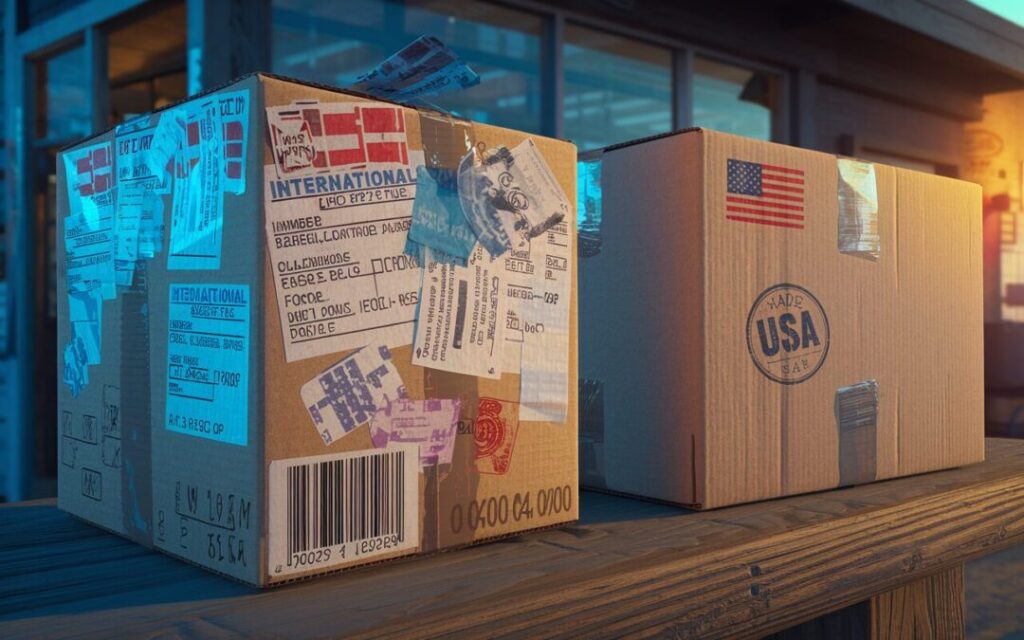
Trump also shut down duty-free treatment for low-value shipments, including packages coming through the international mail system.
That’s a direct shot at cheap overseas products flooding online marketplaces and undercutting American retailers.
If you’ve ever wondered why it’s easier to buy a $3 gadget shipped from China than from a local store, this is part of the fix.
How This Trade Move Could Help Nevada Jobs
This isn’t just a Wall Street story. It matters in Nevada.
When production comes home, it means more opportunity. It means stronger supply chains. Better-paying jobs. More stability for American families. That’s stability for the country.
Trump is using authority from the Trade Act of 1974 to push companies back onto U.S. soil.
His administration says earlier tariffs already forced major trading partners representing over half of global GDP to negotiate new deals, opening markets for American exports and encouraging factories to return.
Opponents Question the Strategy
Opponents argue tariffs could raise prices in the short term. Some business groups complain about supply chain disruptions.
It’s understandable to be concerned about those kinds of things.
Conservatives respond with concerns of their own: How’s that old system working out?
For decades, Washington let foreign governments tilt the playing field while American towns hollowed out.
Jobs left. Paychecks stalled. Dependency grew. Doing nothing wasn’t free; the cost was just hidden for a while.
Putting America First Again
Trump isn’t pretending this is painless. He’s saying it’s necessary.
You can’t keep importing everything, exporting jobs, and borrowing money forever. Sooner or later, the bill comes due.
This temporary import duty is about stopping the bleeding, rebuilding American industry, and keeping U.S. dollars in U.S. pockets.
The opinions expressed by contributors are their own and do not necessarily represent the views of Nevada News & Views. Digital technology was used in the research, writing, and production of this article. Please verify information and consult additional sources as needed.