Towards the end of February, the U.S. Environmental Protection Agency approved a petition from Kentucky to end a federal fuel rule in the Louisville area.
The rule required something called “reformulated gasoline,” often shortened to RFG.
If you’ve never heard of RFG, you’re not alone. But you’ve might’ve paid for it.
The rule’s been around since 1995. It required certain cities with air pollution problems to use gasoline blended with ethanol and other additives designed to reduce ozone pollution.
The idea sounded good at the time. Cleaner air. Fewer emissions.
The problem is the price.
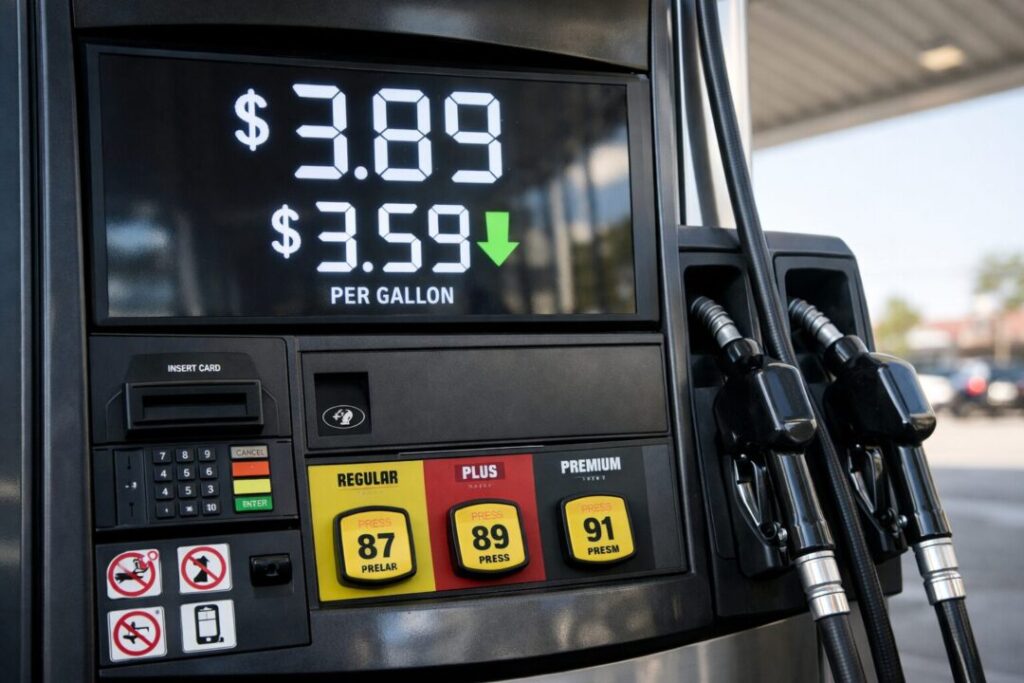
Fuel with these special blends often costs more to make and transport; it’s suggested the requirement adds about 10 to 35 cents per gallon.
That may not sound like much, but it adds up fast.
EPA officials say ending the requirement could save Louisville drivers up to $137 million a year.
That’s real money, especially for families who are already watching every dollar.
The change takes effect May 27.
And why stop at Louisville?
Calls quickly spread online for similar relief in states with strict fuel rules or heavy ethanol blending requirements, including Wisconsin and California.
California’s system matters a lot to Nevadans.
Most of the gasoline sold in Nevada comes from California refineries.
That means when California changes fuel rules, Nevada drivers feel it too.
When California tightens environmental fuel standards, prices here tend to follow.
According to data from the U.S. Energy Information Administration, Western states often pay some of the highest fuel prices in the country.
Critics of reformulated gasoline say the rule’s outdated.
Cars today are far cleaner than they were in the 1990s.
Engines are more efficient. Emissions systems are better.
And modern fuel already burns cleaner than older blends.
Nevada doesn’t use the exact same federal RFG program statewide, but Clark County does face strict federal air quality fuel rules tied to ozone pollution.
Those rules force cleaner specialty fuel blends that can push prices higher than standard gasoline.
And some experts argue ethanol-heavy fuel can actually cause problems in small engines, boats, and older vehicles. Ethanol absorbs moisture and can degrade fuel systems over time.
Supporters of the EPA decision say removing the requirement simply allows the market to supply standard gasoline again.
More supply (usually) means lower prices.
Pretty basic economics.
Of course, there are critics who aren’t thrilled.
Environmental groups warn that eliminating reformulated gasoline could increase ozone pollution in urban areas. They say the cleaner blend helped improve air quality over the past several decades.
Some also worry the decision could encourage other states to roll back environmental fuel standards.
Despite criticism, the EPA approved Kentucky’s request after state officials argued the region now meets federal ozone standards and no longer needs the special fuel.
In other words, the original problem that triggered the rule appears to be largely solved.
So, if the rule’s no longer needed in Louisville, where else might it be outdated?
Nevada drivers might be especially interested in that conversation.
If the rule isn’t needed anymore, maybe it’s time to retire it.
The opinions expressed by contributors are their own and do not necessarily represent the views of Nevada News & Views. Digital technology was used in the research, writing, and production of this article. Please verify information and consult additional sources as needed.