California’s $20 minimum wage for fast-food workers was meant to help people earn more.
Turns out, a new study suggests the real-world results may not be that simple.
JUST IN: New study reveals that Gavin Newscum’s $20 minimum wage hike in California is BACKFIRING, resulting in slashed hours, increased costs for customers, lack of hiring, and store closures.
It’s almost like forcing companies to pay high wages doesn’t work!
Who could have… pic.twitter.com/p8oAc4F6H5
— Libs of TikTok (@libsoftiktok) March 23, 2026
A March 2026 study from the University of California, Santa Cruz looked at what happened after the law took effect.
According to the study, fast-food workers saw their hours cut by an average of 11.5 percent.
For workers, that means higher pay per hour, but fewer hours overall. For some, that bigger paycheck never really showed up.
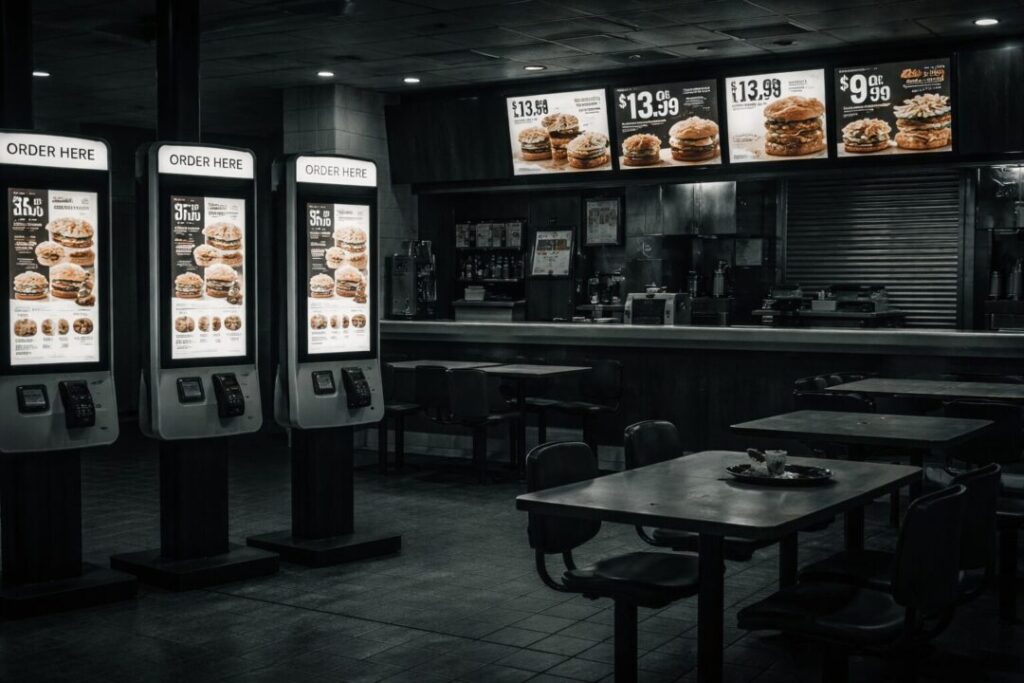
The study also found higher menu prices, more self-service kiosks, and even some store closures.
One franchise owner interviewed in a Fox 26 news report said rising labor costs forced tough choices, like cutting hours and leaning more on automation. The video showed empty counters and ordering kiosks replacing cashiers.
Basic economics tells us when something gets more expensive, businesses try to use less of it.
In this case, labor got more expensive.
But not everyone agrees on what’s happening.
A 2024 study from the University of California, Berkeley came to a very different conclusion.
That report said workers saw about an 18 percent increase in pay, with no major job losses or big price hikes.
So which one is right?
There is also data from the Hoover Institution that adds another layer. Earlier estimates suggested California may have lost between 10,000 and 18,000 fast-food jobs after the law passed.
That’s a big gap between studies. It shows just how divided experts are on wage mandates.
Supporters of the $20 wage say it helps workers afford the high cost of living in California.
They argue that big fast-food chains can afford to pay more and that workers deserve a better standard of living.
Critics say the policy sounds good on paper but creates problems in the real world.
They point to reduced hours, job cuts, and rising prices as signs that the system is not working as promised.
For Nevada’s sake, we need to be taking notes.
Our economy depends heavily on service jobs, including restaurants and hospitality. Lawmakers and voters often look to California as a preview of what could happen if similar policies are adopted.
If higher wage mandates lead to fewer hours or more automation, that could hit entry-level workers the hardest – often younger workers or people trying to get their foot in the door.
At the same time, higher prices affect families across the board.
Paying a few extra dollars for a burger may not sound like much, but everything adds up over time.
The goal of helping workers is something most people can agree on. The question is how to do it without unintended consequences.
California is now running a real-world test, and the results are still coming in.
For Nevada, the lesson may be simple: look before you leap.
The opinions expressed by contributors are their own and do not necessarily represent the views of Nevada News & Views. Digital technology was used in the research, writing, and production of this article. Please verify information and consult additional sources as needed.