Something big just changed at the border.
After years of record crossings, the numbers have dropped. Fast.
PROMISES MADE, PROMISES KEPT. Immigration fell in EVERY metro city area in 2025. 🇺🇸 pic.twitter.com/UN8jNXzw6m
— The White House (@WhiteHouse) March 26, 2026
According to recent data from Pew Research, migrant encounters at the southern border fell to around 237,000 in 2025. That’s down from more than 1.5 million the year before. It’s the lowest level in over 50 years.
That’s not a small shift. That’s a complete reversal.
So what happened?
A big part of it comes down to policy. The Trump administration tightened enforcement. Fewer migrants are being released into the country.
In fact, the Department of Homeland Security says there have been months with zero releases at the border.
At the same time, deportations have increased. Reports suggest hundreds of thousands have been removed, and even more chose to leave on their own.
The message is simple. If you come here illegally, you’re not likely to stay. And it looks like people are getting the message.
But it’s not just illegal immigration that’s slowing down. Legal immigration has dropped too.
Some reports suggest the U.S. may even be seeing negative migration overall. That means more people leaving than arriving.
That’s a big deal for a country that has relied on steady population growth for decades.
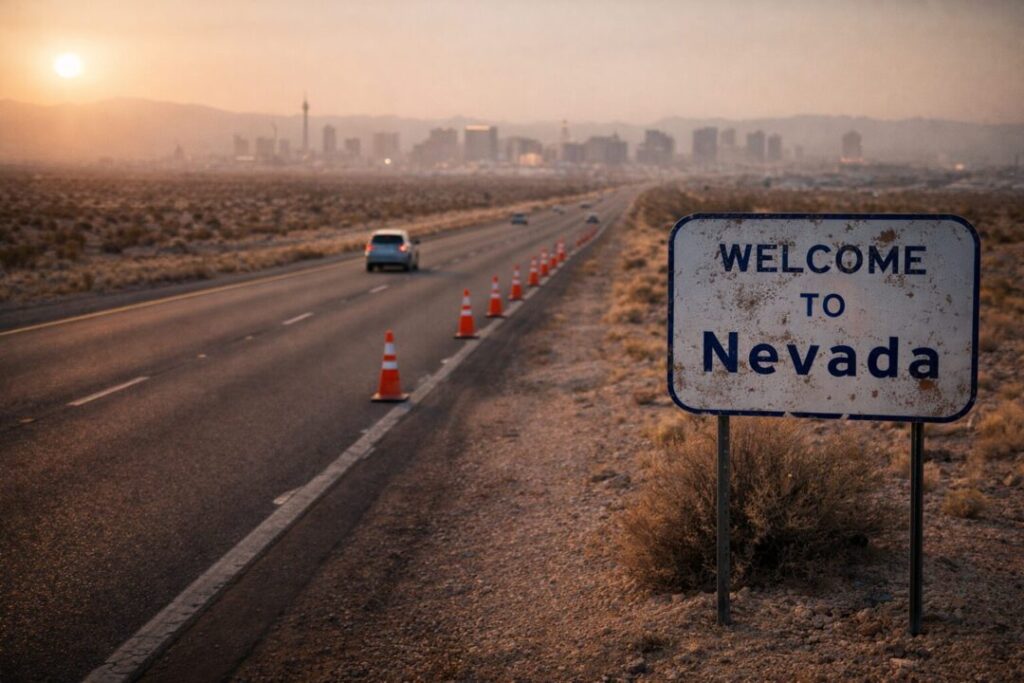
Now let’s bring this home to Nevada.
Nevada has always been a growth state. More people means more workers, more customers, and more tax revenue. It fuels everything from construction to hospitality.
Think about Las Vegas. The hotels, restaurants, and casinos don’t just run on tourism. They run on workers. A lot of those workers have historically come from immigrant communities.
So when immigration slows down, the ripple effects show up quickly.
Fewer workers can mean higher labor costs. Businesses may struggle to fill jobs. That can lead to higher prices for everyday services. The cost of eating out, staying in a hotel, or even getting your house built can start to climb.
At the same time, there’s another side to this story.
For years, Nevada has felt the strain of rapid population growth. Schools overcrowded. Roads packed. Housing prices climbing.
Slower immigration could ease some of that pressure.
Fewer new arrivals may mean less demand on public services. That could give local governments a chance to catch up instead of constantly playing defense.
This is where the debate gets interesting.
Supporters of stricter immigration policies say this is exactly what voters wanted. More control. More order. A system that actually enforces the rules.
They argue it’s about fairness. About making sure the system works for citizens first.
Critics see it differently.
Some economists warn that less immigration could slow economic growth.
The Washington Post reports that many major cities have already seen immigration drop by more than 60 percent. That kind of shift can affect everything from housing demand to consumer spending.
In a state like Nevada, where the economy depends heavily on service jobs and steady growth, those changes matter.
Still, there’s a broader question people are starting to ask: What’s the right balance?
Most Americans don’t want chaos at the border. But they also don’t want an economy that stalls out. Nevada sits right in the middle of that conversation.
We need workers. We need growth. But we also need a system that’s fair, predictable, and under control.
Right now, the numbers show something clear. The border isn’t what it was just a year ago. The real question is what we do with that change.
Because whether you see this as a win or a warning sign, one thing is certain. It’s going to shape Nevada’s future.
The opinions expressed by contributors are their own and do not necessarily represent the views of Nevada News & Views. Digital technology was used in the research, writing, and production of this article. Please verify information and consult additional sources as needed.