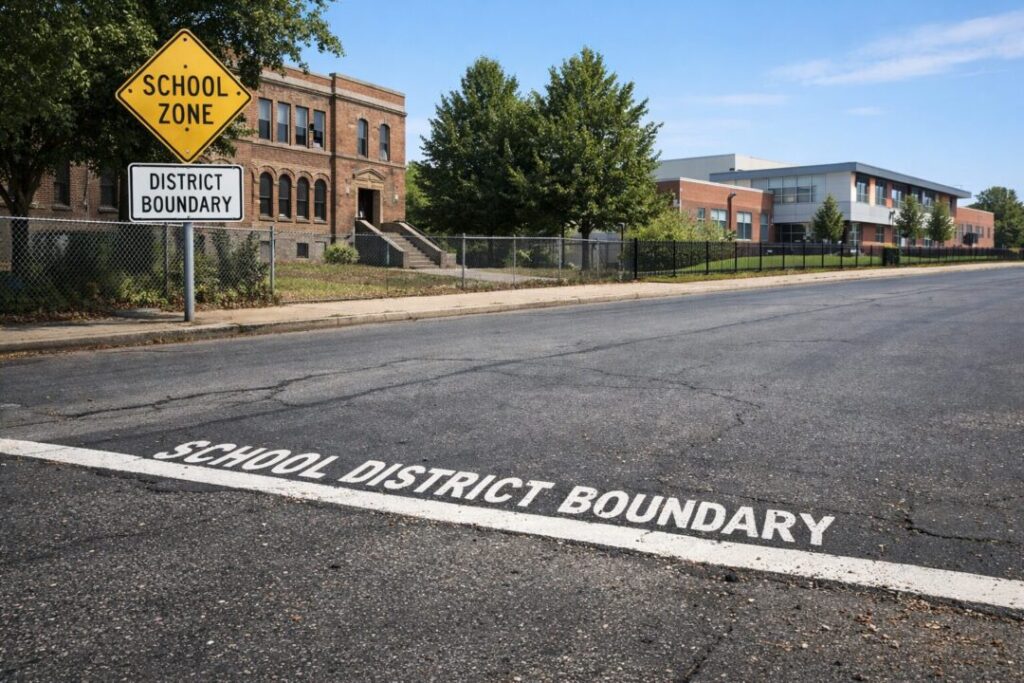
In a lot of states, parents still feel stuck when it comes to their child’s school.
You live in one zone, you get one school. End of story.
But in Florida, that’s changing. And the results are getting attention across the country.
More Families Are Choosing Something Different
Florida is one of just five states offering what’s called universal school choice. That means families can use public education funds for a wide range of options.
Private schools, charter schools, even customized learning setups.
And families are using it.
According to data highlighted by the Manhattan Institute, about 53% of Florida’s K-12 students are now in a school chosen by their parents.
So when the government gave parents a menu instead of one fixed meal, most of them picked something that better suited their tastes.
But here’s the twist. Many didn’t rush into private schools.
Charter schools and open enrollment public schools are leading the way.
More than 406,000 students attend charter schools, which is about 14% of the state’s student population. Another 287,000 students go to public schools outside their assigned zone.
A Lot More Than Just “Public vs Private”
School choice in Florida isn't just allowing parents to switch schools. It’s changing how families think about education.
Some parents are mixing and matching. A math class here. A science program there. Maybe a specialty course on the side.
These are often called microschools or customized learning programs.
And even public school districts are getting in on it.
In Miami-Dade County, the public school system opened more than 95 classes to students who are not even enrolled full-time. That includes everything from aviation to dance to advanced placement classes.
In other words, schools are starting to compete for students instead of assuming they will show up.
When competition is involved, things tend to improve.
Faith-Based Schools Are Growing Too
Another clear trend is the rise in religious education.
A big reason is scholarships for students with special needs, which many families are using to find schools that better fit their child.
For a lot of parents, learning isn't just about academics. It’s about values, safety, and an environment they trust.
What This Means for Nevada
Here in Nevada, education is always a hot topic; test scores, funding fights, classroom overcrowding.
School choice flips that conversation.
Instead of asking, “How do we make one system work for everyone?” it asks, “How do we give families options?”
When families have options, schools have to adapt. They add programs. They compete. They try to win parents over.
And when that happens, students benefit.
A National Shift Is Underway
More states are starting to pay attention.
Arizona, Arkansas, New Hampshire, and West Virginia have already rolled out similar programs. Florida just happens to be the biggest test case.
And so far, the trend is clear: Give parents a choice, and they'll gladly use it.
The real question now is whether Nevada leaders are willing to trust families the same way.
The opinions expressed by contributors are their own and do not necessarily represent the views of Nevada News & Views. Digital technology was used in the research, writing, and production of this article. Please verify information and consult additional sources as needed.