Let me tell you about a couple I worked with last spring.
Both working. Both responsible. They'd been saving for years – skipping vacations, driving older cars, packing brown bag lunches instead of eating out. They did everything the right way.
And they still almost couldn't afford to buy their first home in Nevada.
That story isn't unusual anymore. It's just another Tuesday.
That's got to change.
A post caught my eye recently. A Maryland Republican gubernatorial candidate and constitutional attorney, Dan Cox, released a seven-point economic plan that lead with a bold idea most anyone would like to see: an end to residential property taxes.
— Dan Cox (@dancox4maryland) June 6, 2026
His plan includes capping property values for tax purposes while working toward full elimination of residential taxes.
Construction tax credits for first-time buyers. Top-to-bottom audits of state agencies to find billions in savings. Corporate tax cuts from 8.25% down to 5.5%. And elimination of retirement taxes on seniors.
That's a real plan. Whether you agree with every piece of it or not, it's serious.
And the values behind it are decidedly conservative: government should learn to live within its means before it asks the rest of us to live with less.
I've been a Realtor here in Nevada for years. I'm trying to guide clients through this housing crisis every single week.
I see the young couple who qualifies – barely – but one rate bump away from the deal falling apart.
I see the retired teacher who's owned her home for 28 years starting to do the math on whether she can afford to stay.
I see the family relocating from California thinking Nevada will be more affordable, only to discover that “more affordable” can be pretty relative.
Property taxes aren't the biggest line item most homeowners face. But they're the bill that never ends.
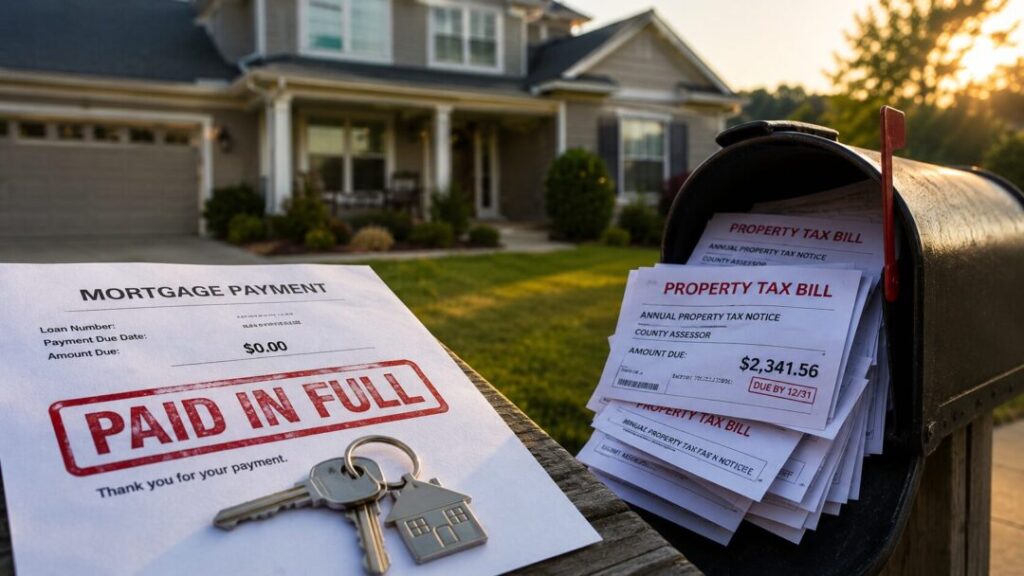
You pay off your mortgage. You own the house. And still, every year, the government sends you a bill just to stay in it.
That strikes a lot of people as wrong – and I think they're right to feel that way.
Nevada has done some things well here. Our partial property tax abatements give homeowners real protection against the kind of wild annual spikes you see in other states. But let's be honest about where we are.
Home prices up. Insurance premiums up. Construction costs still sky-high. Interest rates that turned “affordable monthly payment” into a punchline. First-time buyers getting sucker punched from every direction at once.
We have a problem. And it's getting worse, not better.
Critics of bold proposals like Cox's will say that local governments need property tax revenue.
But here's how conservatives see it: before you ask taxpayers for more money, you better be able to show them how you're spending the money you already have.
Every agency. Every program. Every line item.
Because if there are billions in savings sitting inside government bureaucracy (and there almost always are) then that's money that doesn't need to come out of a homeowner's pocket.
Dan Cox is asking a question a lot of Nevadans are asking as well: why does owning a home keep getting more expensive every year?
Families in Nevada can't keep up. We need to do something differently.
Maybe it's stronger property tax reform. Maybe it means building out real first-time homebuyer programs with actual teeth. Maybe we should have a real, honest audit of what state government is spending and why.
Probably all three, if we're being serious about it.
What I know for certain is this: Nevada families aren't looking for a handout. They're looking for a fair shot.
They work hard, they play by the rules, and they deserve a government that does the same.
The American Dream shouldn't feel like it's being phased out.
I'm running for Assembly District 19 because I believe we can do better – for first-time buyers, for seniors on fixed incomes, for every Nevada family that's just trying to hold on to what they've built.
That's a fight worth having.
The opinions expressed by contributors are their own and do not necessarily represent the views of Nevada News & Views. Digital technology was used in the research, writing, and production of this article. Please verify information and consult additional sources as needed.