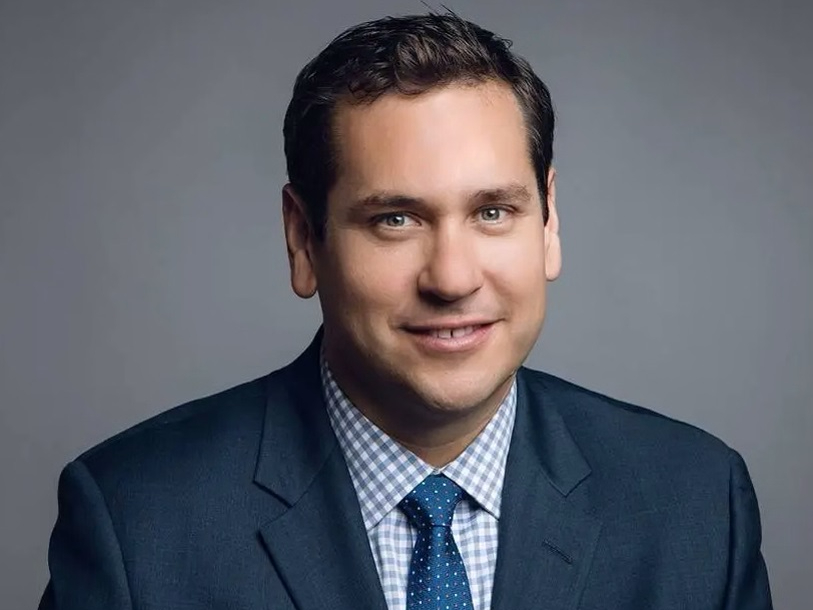
Aguilar’s SB72 keeps universal mail ballots but repeals Nevada’s ban on double registration and lets his office define new voting emergencies.
Two weeks after the midterms, state officials are already lining up changes to how Nevada runs its elections.
Senate Bill 72 was prefiled on November 17. The Senate Committee on Legislative Operations and Elections filed it on behalf of Secretary of State Cisco Aguilar. It runs nearly 100 pages, and most of it would take effect January 1, 2028.
An interim committee has also backed bills on faster ballot processing, automatic recounts, and federal agents at the polls.
Mail ballots stay, with a few twists
SB72 keeps Nevada’s system of mailing a ballot to every active voter. It also adds a new way to get a ballot in an emergency.
Under the bill, an emergency is an unforeseen event that makes it hard to reach your mail ballot or get to the polls. Examples include being stuck in a hospital or nursing home, a sudden illness, or being called away from home.
Voters who opted out of mail ballots could also use the emergency request. Requests could be made up to the day before the election. The clerk must first confirm the voter is eligible and hasn’t already voted.
The bill also lets the Secretary of State define other emergencies through regulation.
In other words, an elected official, not lawmakers, would decide what else qualifies. Supporters will say this flexibility helps in a fire, flood, or other crisis. Critics may worry the definition could keep expanding with no vote by the Legislature.
Clerks could also set up polling places where voters feed their mail ballots straight into a counting machine.
Counting boards could start counting mail ballots 22 days before Election Day, up from 15. Results still couldn’t be posted until the polls close. Signatures would be checked against every signature the county has on file for a voter, not just the one on the voter’s registration form.
What the bill takes out
Some of the most important changes come from what SB72 repeals.
The bill drops the rule that a person can’t be registered in more than one county at a time. It replaces that rule with a new definition of voting twice, which covers voting more than once in certain Nevada elections or voting here and in another state in the same election.
It also repeals the rule that all paper ballots must be accounted for before counting begins. And it ends a gross misdemeanor for someone whose vote was rejected and who then tries to vote at a different polling place.
Supporters will say these changes clean up old or repeated laws. Critics may ask why safeguards are being removed at a time when trust in elections is already low.
A looser standard for counting votes
SB72 says a vote must be counted if any part of the oval is darkened, the mark can’t be clearly shown to be a mistake, and the ballot shows some sign of what the voter meant.
Some will call that fair to voters. Others may worry it leaves too much to the judgment of the people counting.
Faster counts and free recounts
A separate proposal from Aguilar’s office would require Clark and Washoe counties to log each returned mail ballot within 12 hours and check signatures within 24 hours.
That could help, but Nevada still counts mail ballots that arrive after Election Day if they are postmarked in time, so the wait won’t go away entirely.
Another bill would trigger automatic recounts when a race is within 0.25 percent, or about 250 votes out of 100,000.
In 2024, a Reno City Council candidate lost by 15 votes and faced a recount bill of roughly $50,000. Supporters say no one should have to buy a fair count. Taxpayers would pick up the cost instead.
Federal agents at the polls
The most heated idea would be to copy a New Mexico law that limits armed federal personnel near polling places.
No voter should feel scared at the polls. But federal officials also have a real duty to enforce voting laws and investigate election crimes. A state law that goes too far could end up in court.
Who pays?
SB72 itself carries a warning label. The bill says it contains an unfunded mandate, which means the state would require counties to do new work without sending money to pay for it.
Counties run elections, so new rules mean new costs for staff, equipment, and training. One way or another, taxpayers foot the bill.
What you can do
The Legislature convenes February 1. You can track SB72 and the other bills on the Legislature’s NELIS website, sign up to testify or submit a public comment.
Reach out to your state senator and assemblyman before these bills reach a committee vote.
Ask three simple questions. Does this make our elections more secure? Does it get us results faster? And what will it cost?
The 2026 election is barely over, and the fight over the 2028 rules has already begun.
Read the full bill here: SB72
The opinions expressed by contributors are their own and do not necessarily represent the views of Nevada News & Views. This article was written with the assistance of AI.