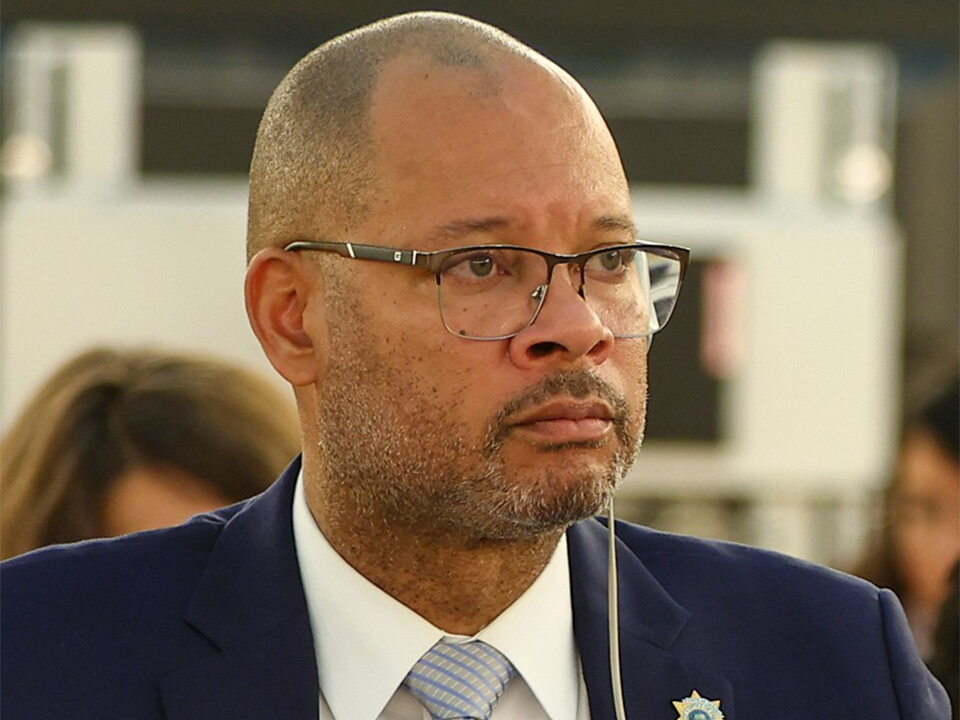
Gov.-elect Aaron Ford made a big promise on the campaign trail. He said he would stop NV Energy’s new demand charge. But Southern Nevada families will start paying under that charge on January 1. Ford won’t be sworn in until early January.
So the charge will already be on the books before he takes office. That’s an early test of whether a campaign promise can beat the rules on how government works.
What Is Changing on Your Bill?
Right now, your power bill mostly depends on how much electricity you use over the month. Starting in January, part of it will depend on how much you use at the same time.
Every day, NV Energy will find the 15 minutes when your home used the most power. Those daily peaks are added up into a monthly “daily demand” charge.
Here’s an everyday example. Say you run the air conditioner, the dryer and the oven together at 6 p.m. Your neighbor uses the same appliances at different times. You could both use the same total power, but your bill could come out higher.
NV Energy’s fact sheet says a typical household’s demand charge will be about 49 cents a day. The utility says the per-kilowatt-hour rate will drop at the same time, so this is not a rate increase. NV Energy says the change could lower bills for as many as 90 percent of customers.
Why Does This Matter?
There are two big issues here.
The first is fairness. NV Energy says rooftop solar customers haven’t been paying their full share to keep up the power grid, so other families have been picking up the tab. Many consumers oppose hidden subsidies, and some may see the charge as a fix for that problem.
Nevada’s Public Utilities Commission has legal authority over utility rates. A governor appoints its commissioners, but he can’t just cancel an approved rate by announcing it.
Changes have to go through the commission, the courts or the Legislature. That limit on power is a feature, not a bug.
The Critics Have Their Say
Ford’s office has led the fight against the charge. As attorney general, his Bureau of Consumer Protection took it to court.
In May, a Clark County judge sided with state regulators and let the charge move forward. Ford called the case “far from over” and appealed to the Nevada Supreme Court, where it is still pending.
Ford argues the charge breaks state law.
“Nevada law explicitly bans time-based rate structures. This charge is exactly that,” he said in May.
Solar groups, including Vote Solar, have filed their own appeal. Critics also worry about large families, people who rely on electric medical equipment, and anyone trying to stay cool in a Las Vegas summer.
Ford’s campaign plan also pointed out that NV Energy would be the first investor-owned utility in the country with a mandatory residential demand charge.
What Could Happen Next?
There are a few paths forward.
The Nevada Supreme Court could rule on the appeal. Ford won’t be the attorney general anymore, though. Attorney General-elect Nicole Cannizzaro will take over the office handling the case.
The Legislature meets in February. Lawmakers could write new rules for residential demand charges. With Democrats now holding the governor’s office, that is a real possibility.
Ford will also appoint future commissioners. That could change how the commission handles rates for years to come.
Even so, unless a court steps in or the date changes, the first bills under the new formula will likely show up before lawmakers even start voting.
What Can You Do?
Look at your usage. NV Energy has a free online tool in your MyAccount dashboard that shows your daily peaks. Try not to run several big appliances at once.
Compare your January bill with last January’s. Contact your state legislators before the session starts. Whatever you think of the charge, tell them how it hits your household.
A Promise Meets the Calendar
Ford made a simple promise. He said he would stop the demand charge.
But when he raises his right hand to take the oath of office, the charge will already be in place. Meters will already be tracking daily peaks. The first bills under the new formula will already be on their way to Southern Nevada mailboxes.
That means Ford won’t be stopping a policy before it starts. He’ll be trying to undo one that’s already running. That’s a much harder job, and it has to go through the courts, the commission, or the Legislature.
Nevadans will soon find out whether this campaign promise holds up once Ford is in office. Either way, they won’t be judging it by speeches. They’ll be judging it by the bill on their kitchen table.
The opinions expressed by contributors are their own and do not necessarily represent the views of Nevada News & Views. This article was written with the assistance of AI.