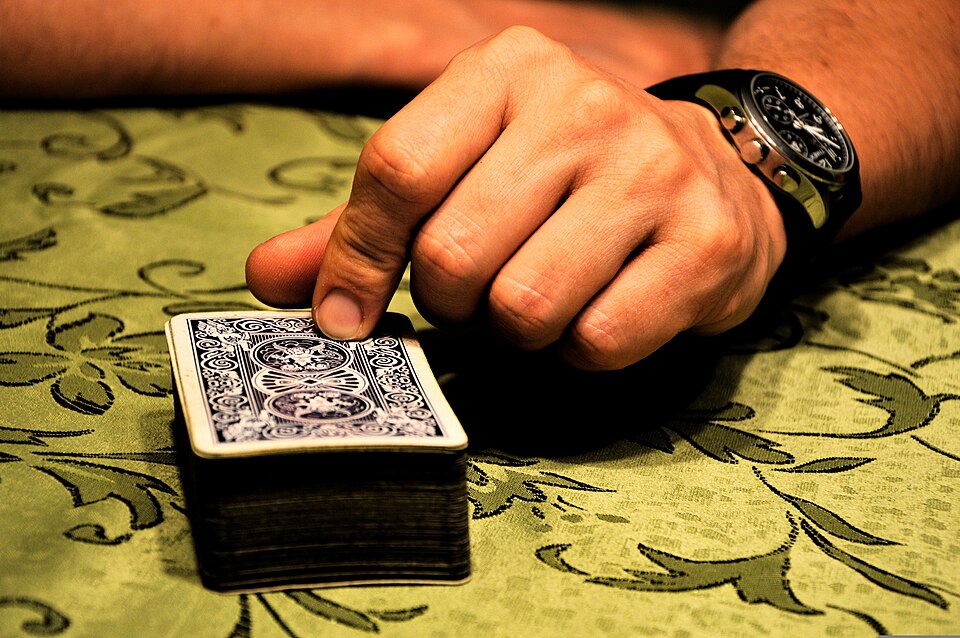
A tied caucus vote ended with a deck of cards in favor of DeLong, a tradition as old as the Silver State’s love of a good game.
When Nevada Republicans in the Assembly met to pick their new leader, the vote came out dead even. Five members backed Assemblyman Rich DeLong of Reno. Five backed Assemblyman Gregory Hafen II of Pahrump, the current minority leader.
So how do you settle a tie in Nevada? You do it the Nevada way.
A GOP legislative insider told The Nevada Independent that the caucus had DeLong and Hafen each draw a card, and the higher card won. DeLong drew higher. He will lead Assembly Republicans in the 84th session of the Nevada Legislature.
The Nevada Assembly Republican Caucus was split 5-5 on whether to elect Delong or Hafen as minority leader, according to a GOP legislative insider.
To break the tie, the caucus had Delong and Hafen draw cards, with the candidate who drew the higher number winning the position.
— bella (@bella_tweetss) November 19, 2026
Why This Matters for Conservatives
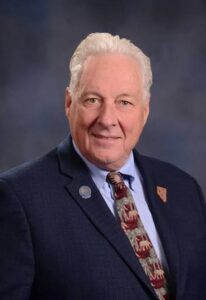
Picking a leader by the turn of a card may sound like a fun bit of trivia. The bigger story is the 5-5 split behind it.
The caucus is heading back to Carson City much smaller. It has only 10 members after losing five seats this November, while Democrats hold 32.
“Republicans lost five Assembly seats this November, a third of our caucus,” DeLong said after the vote.
With that few seats, Republicans can’t afford to be divided. A caucus split right down the middle has work to do before the session starts in February.
The geography is worth watching too. DeLong represents Reno, Mt. Rose and Incline Village. Hafen represents rural Nye, Lincoln and part of Clark County.
Leadership has now moved from the south to the north.
A Northern Nevada Card Draw, Just Last Year
The cards came out in northern Nevada only a year ago. In November 2025, two candidates for the Gerlach General Improvement District board, about 100 miles north of Reno, each got 67 votes and tied for the last full-term seat.
The Washoe County Registrar of Voters held a high-card draw. Seth Schrenzel drew the seven of diamonds. Carl Copek drew the five of clubs, so he took the shorter two-year term instead.
“It is probably the most Nevada thing ever,” Schrenzel said.
Read More:
When Democracy Meets a Deck of Cards: Nevada Town Settles Election the Old West Way
Douglas County did the same thing in 2020. Two candidates for the Skyland General Improvement District board tied at 104 votes each. Richard Nice beat Dennis Berry with a seven of diamonds against a six of hearts.
What Nevada Law Says
Nevada law plans for ties. Under NRS 293.400, which goes back to 1960, tied candidates for most county and local offices go before the county clerk and settle it “by lot.”
That can mean a coin toss, a roll of a die, drawing straws or cutting cards. According to the Nevada Lawyer, nobody has ever picked the straws.
Ties in bigger races are handled differently. For U.S. Senate, Congress, and statewide offices, the Nevada Constitution has the Legislature pick the winner by a joint vote. That has never happened since statehood in 1864.
A caucus leadership vote isn’t a public election, so state law doesn’t cover it. The caucus simply used the same method Nevada has trusted for decades. The Nevada Republican Party’s bylaws also name a high-card draw as the tiebreaker for some party elections.
A Long Line of Lucky Draws
Nevada has a colorful record of ties. In 1972, a Gabbs justice of the peace race was settled by flipping an 1881 Carson City silver dollar.
In 1978, a Storey County district attorney primary was decided with a die. In 1982, a Eureka County clerk primary was won with the ace of spades.
In 2004, two White Pine County Commission candidates each got exactly 1,847 votes. A queen of clubs settled it.
A Verdi television district seat (a small board that runs a TV signal tower) in 2008, a Kingsbury General Improvement District seat at Lake Tahoe in 2010, and a North Las Vegas City Council primary in 2011 were all settled by cards as well.
Not Everyone Loves the Game
Critics say an important decision shouldn’t come down to chance. After losing a 2011 card draw, North Las Vegas candidate Tanya Flanagan called it unfortunate that the race came down to “the luck of the draw.”
Supporters say a fair, open draw is better than a long fight or backroom deals.
What Comes Next
DeLong now has less than three months to bring a divided caucus together before lawmakers meet in Carson City in February. He has said Republicans will recruit candidates early and put money into the races they can win. How well he does that will shape the 2028 election.
For now, the minority leader’s job went to the higher card. Like Gerlach last year and White Pine back in 2004, it’s one more chapter in a long Nevada tradition.
The opinions expressed by contributors are their own and do not necessarily represent the views of Nevada News & Views. This article was written with the assistance of AI.