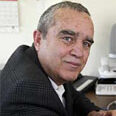
Ohio Secretary of State Frank LaRose dropped a political bombshell this week, announcing that his office uncovered 1,084 noncitizens who appear to have registered to vote, and 167 who may have actually cast ballots in federal elections since 2018.
LaRose said his Election Integrity Unit has now referred the findings to the U.S. Department of Justice for potential prosecution – marking one of the largest single-state election-integrity referrals publicly disclosed in recent years.
The thing that Democrats insist never happens, happened again! pic.twitter.com/4SW2GKgfD2
— Libs of TikTok (@libsoftiktok) October 29, 2025
How the Cases Were Found
The findings came from a review of Ohio’s statewide voter registration database compared against records from the Bureau of Motor Vehicles, Social Security Administration, and Department of Homeland Security.
When someone applies for a driver’s license or ID card, their citizenship status is recorded. LaRose’s office compared those records against Ohio’s voter rolls — and found hundreds of potential mismatches.
Of the 1,084 suspected noncitizens, LaRose said 167 appear to have actually cast ballots in federal elections — an act illegal under both state and federal law and subject to criminal prosecution.
In total, the Secretary of State’s office referred about 1,200 criminal cases to the DOJ for review, including:
-
1,084 noncitizen registrations
-
99 individuals who allegedly voted in two states during the same federal election
-
16 people who allegedly voted twice within Ohio
-
14 deceased individuals who appear to have cast ballots
-
4 cases of suspected ballot harvesting
-
2 cases involving unlawful residency registrations
The office said all referrals are based on documentation but will require further investigation before any charges are filed. LaRose’s release noted that county prosecutors have already reviewed some of these cases in prior election cycles.
Not Just Ohio’s Problem
The discovery adds new weight to a growing national concern: how well states maintain their voter rolls — and how easy it might be for ineligible individuals to slip through the cracks.
It’s an issue that’s also front and center here in Nevada.
Groups like the Pigpen Project have pushed for voter-roll cleanup efforts statewide, arguing that bloated and inaccurate lists open the door to confusion and abuse.
Even if fraud is rare, critics say the appearance of vulnerability damages public trust.
Nevada Secretary of State Cisco Aguilar has defended the security of Nevada’s registration system, saying it already includes federal data cross-checks to protect against ineligible voting — though he has not supported additional large-scale voter-roll audits.
One Illegal Vote Is One Too Many
While the Ohio numbers may not swing statewide elections on their own, they do confirm what many voters already believe: the system isn’t airtight.
And it doesn’t have to be massive to matter.
In 2020, Joe Biden’s official margin in Nevada was just over 33,000 votes — smaller than the number of inactive or potentially inaccurate voter records flagged by county election officials and advocacy groups that same year.
Election-integrity advocates argue that keeping rolls clean is basic good governance, not partisanship.
Next Steps
The DOJ will decide whether to prosecute the referred cases — a process that could take months or even years.
LaRose has also called for stronger safeguards, including routine state-federal data cross-checks and improved citizenship-verification tools at registration. He has repeatedly urged federal agencies to grant states better access to citizenship data.
Meanwhile, Nevada lawmakers may soon face renewed pressure to follow Ohio’s lead.
Gov. Joe Lombardo has expressed support for voter-roll audits and stricter ID requirements, but such proposals have repeatedly been blocked by the Democrat-controlled Legislature.
We can’t turn a blind eye to illegal voting. Every time it happens, it chips away at the foundation of confidence that holds our elections together.
The opinions expressed by contributors are their own and do not necessarily represent the views of Nevada News & Views. Digital technology was used in the research, writing, and production of this article. Please verify information and consult additional sources as needed.