An Elko schoolkid’s idea finds its way to the Legislature – and says something bigger about who really represents Nevada
A Bill Born in a Classroom
You wouldn’t expect the most charming story out of Carson City this session to involve a berry. But here we are.
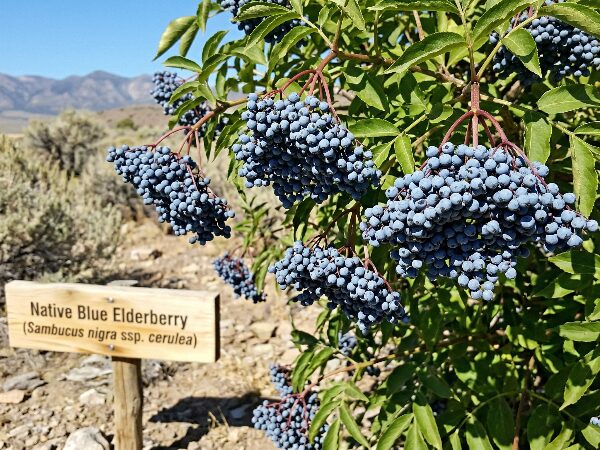
Assemblyman Bert Gurr (R-Elko) has announced he will sponsor legislation in the 2027 session to make the blue elderberry Nevada’s official state fruit. The idea came to him after a group of kids from Sage Elementary School in Spring Creek wrote to him with the proposal.
“These students did exactly what we hope young Nevadans will do,” Gurr said.
“Their research, enthusiasm, and civic engagement are impressive. I’m proud to help bring their idea to the Legislature and give them a chance to see how a bill becomes law.”
That’s a pretty good quote. And honestly, it’s hard to argue with kids doing civic homework and getting a response from their elected representative.
The blue elderberry grows naturally across Nevada, including in areas like the Ruby Mountains, Lamoille Canyon, Mount Charleston, and the Sierra Nevada. KOLO It’s not some exotic transplant. It belongs here.
Nevada Doesn’t Have a State Fruit Yet
Here’s something that might surprise you. Nevada is among the ten states that don’t have any official state fruit at all. No peach like Georgia. No orange like Florida. The Silver State has two official trees, a state insect, a state soil, and even a state tartan – but nothing for fruit.
The blue elderberry would fill that gap. And it’s a genuinely solid pick. The plant is native to the region, and the berries have historically been gathered for wine, jellies, jams, and syrup.
Lewis and Clark first documented blue elder on their expedition, describing it as an “alder” with “pale, sky blue” berries. Nevada’s own Paiute people used the hollow stems to make flutes. Paiutes made a four-holed flute from the larger stems, as did some other tribes.
The flowers and berries can be made into a tea or syrup to treat cold and flu symptoms.
Indigenous communities across the West used virtually every part of the plant for food, medicine, and tools. Wildlife loves it too – the plant provides food, cover, perch, and nesting sites for many species of birds. Deer, elk, and black bear feed on it as well.
It’s tough, native, useful, and deeply tied to the land. That’s a pretty good resume for a state symbol.
What Comes Next
The bill is slated for the 2027 session, so there’s time. Between now and then, Gurr will be running for re-election in November 2026. The Nevada Assembly Republican Caucus has already endorsed Gurr as one of twelve incumbents it is backing in the 2026 cycle.
If the blue elderberry bill passes, Nevada joins the majority of states that have claimed an official fruit. It will cost taxpayers nothing. It harms no one. And somewhere in Spring Creek, a group of students will have watched their idea travel all the way from a classroom to the Nevada Revised Statutes.
“Civic education is most powerful when students see that their voices matter,” Gurr said.
That’s a civics lesson worth having.
The opinions expressed by contributors are their own and do not necessarily represent the views of Nevada News & Views. This article was written with the assistance of AI. Please verify information and consult additional sources as needed.