For years, Washington bureaucrats have been piling regulations onto businesses that rely on refrigeration and cooling systems. And that list is pretty long.
Grocery stores. Restaurants. Trucking companies. Warehouses. Pharmacies. Pretty much anything keeping food or medicine cold.
This week, President Donald Trump rolled back a chunk of those Biden-era refrigerant rules, and it’s about time.
Trump Starts Undoing the Damage
The EPA announced revisions to regulations involving hydrofluorocarbons, better known as HFC refrigerants. Those are the cooling chemicals used in refrigerators, freezers, air conditioners, and refrigerated transportation systems across America.
Sounds a little technical. Let me explain what it means for you.
This is about the price of food. The cost of keeping your house cool. The bill businesses pay to stay open.
According to the White House, the changes could save Americans roughly $2.4 billion. Supermarkets alone could save more than $800 million. Refrigerated transportation companies may avoid another $1.5 billion in costs.
Inflation Doesn’t Just Happen
The Biden administration pushed strict refrigerant standards and leak-repair mandates that forced expensive upgrades onto businesses across the country.
Supporters said the rules were necessary for environmental goals and emissions reductions. Very noble.
But there’s always that question Washington hates answering:
How much pain are regular people supposed to absorb before somebody in government says, “Okay, maybe this is getting out of hand”?
Because Americans have been getting squeezed from every direction.
Gas. Food. Power bills. Housing. Insurance.
At some point people stop caring how noble the policy sounds and start asking why they should care if it means they can’t afford to live.
Summer in Nevada Isn’t Cheap
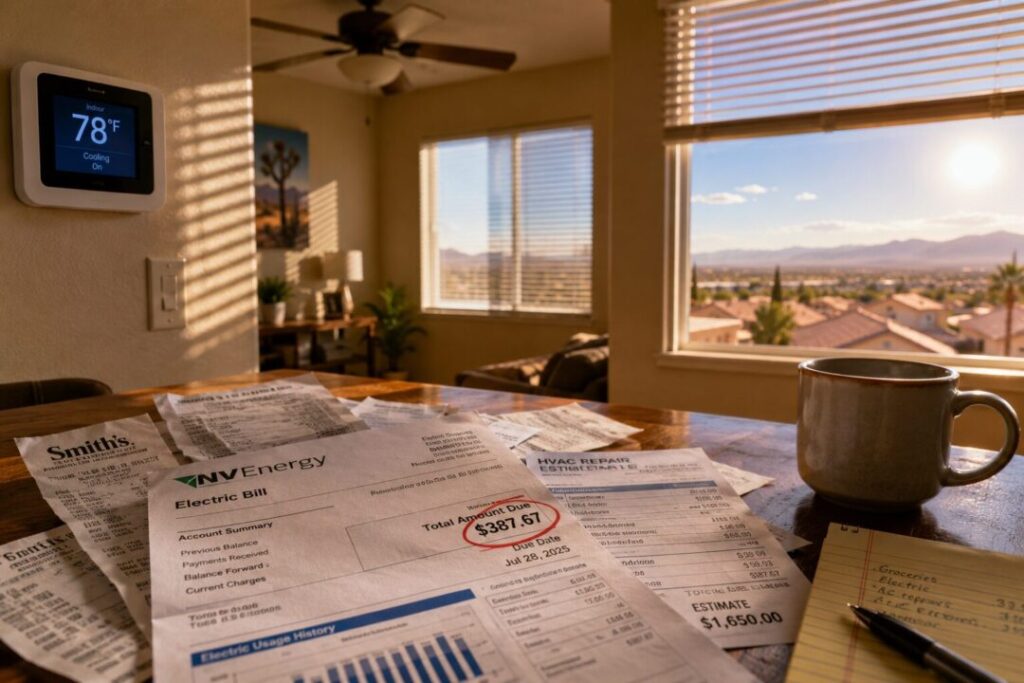
In Nevada, air conditioning is basically life support for four months out of the year. One summer power bill can be enough to make you question living in the desert.
And if you lose your A/C in August, the thermostat stops looking like a number and starts looking like a threat.
Businesses face the same reality. Commercial cooling systems run nonstop in this state.
When government makes those systems more expensive, businesses pass the bill along. They don’t have a choice.
Guess Who Picks Up the Tab
One thing conservatives understand pretty well is this: businesses don’t pay government costs.
Consumers do.
Always.
If a grocery store spends thousands complying with new refrigeration mandates, that money has to come from somewhere. Usually your wallet.
Big corporations can survive this stuff easier because they’ve got lawyers, consultants, and compliance departments the size of small armies.
The family-owned grocery store in Nevada doesn’t have a “Vice President of Climate Compliance.” It has a manager praying the freezer system survives another summer.
Trump’s Economic Strategy
This rollback is part of the overarching deregulation push by the Trump administration, and they say it’s already saved Americans more than $1.2 trillion.
There’ve been changes to fuel economy standards, food supply rules, and other federal regulations tied to energy and manufacturing costs.
Critics are worried rolling back environmental rules could slow progress on climate goals.
On the other hand, a lot of working Americans are getting tired of being told to accept permanent financial misery for a potential payoff 30 years from now.
Especially when the people demanding sacrifice never seem to be sacrificing much themselves.
Funny how that works.
A Break From The Heat
Most Nevadans couldn’t care less about hydrofluorocarbons.
They care about whether they can still afford to live here.
They care about the grocery bill. The electric bill. The repair bill when the A/C decides to die at the worst possible time.
That’s real life in Nevada.
And for once, Washington made a decision aimed at making that life easier instead of harder.
The opinions expressed by contributors are their own and do not necessarily represent the views of Nevada News & Views. Digital technology was used in the research, writing, and production of this article. Please verify information and consult additional sources as needed.