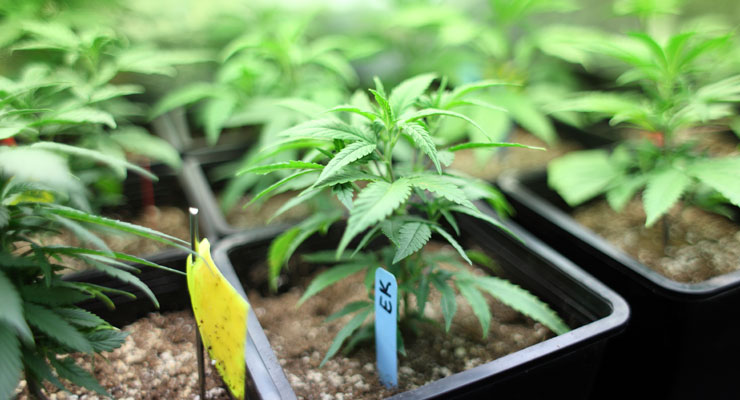
A Big Decision Out of Washington
The Trump administration made a historic move on Wednsday. Acting Attorney General Todd Blanche signed an order reclassifying state-licensed medical marijuana from Schedule I to Schedule III under federal law.
That might sound like bureaucratic alphabet soup. But stick with us, because this matters — a lot — especially here in Nevada.
Schedule I is the most restricted category in federal drug law. Heroin is on Schedule I. So is LSD. Until now, marijuana sat right alongside them.
That never made much sense to most people, and frankly, it made life very hard for legitimate businesses and medical patients.
Schedule III is a whole different world. Ketamine is Schedule III. So are certain steroids. The federal government is finally acknowledging what most Nevadans already knew: marijuana has real medical value and isn’t in the same league as hard drugs.
“The Department of Justice is delivering on President Trump’s promise to expand Americans’ access to medical treatment options,” Blanche said in a statement.
Under the decisive leadership of @POTUS, this Department of Justice is delivering on his promise to improve American healthcare. This includes:
• Immediately rescheduling FDA-approved marijuana and state-licensed marijuana from Schedule I to Schedule IIl
• Ordering a new,… pic.twitter.com/DUtqKQgavl
— Acting AG Todd Blanche (@DAGToddBlanche) April 23, 2026
What This Means for Nevada
Nevada has had legal cannabis since 2017. Our state has built a real industry around it. Tens of thousands of Nevadans work in dispensaries, cultivation facilities, and production labs. In 2022 alone, Nevada’s adult-use cannabis market generated over $861 million in sales.
But here’s the thing. Despite being perfectly legal under state law, Nevada cannabis businesses have been operating with one hand tied behind their backs — thanks to an old federal tax rule called IRS Code 280E.
That rule says any business tied to a Schedule I drug cannot deduct normal business expenses. Things like rent, employee salaries, insurance. utilities and marketing could not be deducted.
Businesses that sell perfectly legal products in Nevada have been paying taxes on gross revenue — not profit. That’s not how any other industry works.
“By moving from Schedule I to Schedule III, that goes away,” said Layke Martin, executive director of the Nevada Cannabis Association. News3LV
Think about what that means for a small dispensary owner in Las Vegas or Reno. Since 2018, cannabis businesses have paid an estimated $15 billion in excess 280E-related taxes, according to an analysis by Whitney Economics.
That’s money that could have gone into wages, expansion, and lower prices for consumers.
This Is a Conservative Win
Here’s the thing that should get every limited-government conservative’s attention. This isn’t about whether you personally like marijuana. It’s about getting the federal government out of the way of state decisions and letting legal businesses operate fairly.
Nevada’s voters made their choice. Their legislature set the rules. Their Cannabis Compliance Board monitors compliance. The state built a seed-to-sale tracking system from scratch. And yet Washington was still taxing these businesses into the ground with rules designed for drug traffickers — not licensed, regulated small businesses.
One cannabis law attorney noted that rescheduling could represent “billions of dollars in new economic activity” and “tens of thousands of new jobs.”
He called the 280E situation:
“life-changing for many, many state-legal cannabis businesses.”
That’s basic free-market economics. Reduce the tax burden, let businesses breathe, and watch them grow.
The Research Door Opens Too
There’s another angle here that should matter to conservatives — especially those who care about our veterans.
As cannabis moves to Schedule III, researchers at major universities are expected to gain easier access to federal grants to study specific cannabinoids for pain management, PTSD, and sleep disorders. For years, universities have been afraid to touch cannabis research because of federal restrictions and the risk of losing federal funding.
President Trump pointed to a Stanford University study showing that veterans with traumatic brain injuries who underwent ibogaine treatment saw an:
“80 to 90% reduction in symptoms of depression and anxiety within one month.”
The same push to open up research applies here. Our veterans deserve every tool available. Bureaucratic scheduling rules shouldn’t stand in the way.
What the Critics Are Saying
Not everyone is cheering. Smart Approaches to Marijuana, a national group that opposes legalization, says it will challenge the order in court. Their concern is that loosening federal restrictions sends the wrong signal and could encourage broader recreational use.
It’s also worth noting this rescheduling does not mean federal legalization. Even with the shift to Schedule III, interstate cannabis commerce will remain prohibited. Every cannabis product sold in Nevada must still be grown and produced within the state.
The recreational market still operates entirely under state rules.
What Happens Next
The order kicks off an expedited formal hearing process with set deadlines for full rescheduling. The IRS will need to issue guidance. Expect legal challenges along the way.
Nevada’s Cannabis Compliance Board has been preparing for this moment for years and says the state’s tracking system will remain in place throughout the transition. In other words, Nevada is ready.
For conservatives in Nevada, the message is simple: support state sovereignty and back local businesses.
The scheduling change means Nevada’s legal market can operate without Washington’s thumb on the scale.
The opinions expressed by contributors are their own and do not necessarily represent the views of Nevada News & Views. This article was written with the assistance of AI. Please verify information and consult additional sources as needed.