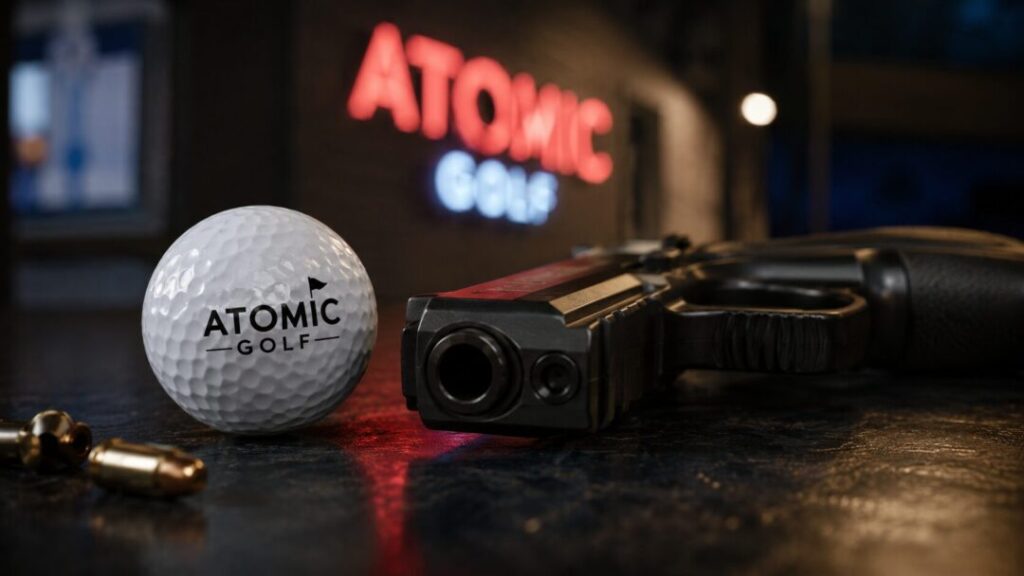
A woman gets shot in the chest at work. The gunman barricades himself while police swarm the scene.
SWAT responds. The Strip area locks down. A six-hour standoff follows.
And a month later? He’s being released back into the community.
Clark County Judge Joe Hardy this week ordered the release of Andrew Mullen, the Atomic Golf security guard accused of opening fire inside the popular Las Vegas venue last month.
The reason? His lawyer says he suffers from combat-related PTSD.
Service Deserves Respect. Violence Doesn’t
Now let’s be clear before the outrage mob starts foaming at the mouth. PTSD is real. Combat trauma is real. And most veterans dealing with PTSD are not violent.
But none of that changes the fact that a woman was shot.
According to court filings and police reports, Mullen believed a group of Hispanic men he’d removed from Atomic Golf wanted to harm him. He later told police he thought a female employee was “clacking her nails” as part of an effort to draw his fire until he ran out of ammunition.
That’s not ordinary stress. That’s not somebody having a rough day at work.
That’s a full-blown psychological collapse by an armed security guard, and in a crowded public venue just steps from the Las Vegas Strip.
And yet the judge decided Mullen could go home under electronic monitoring with conditions that include treatment, medication compliance, and no firearms.
In other words, they said: “Promise us it won’t happen again.”
That’s Not Making People Feel Safer
Good luck selling that to the public. Especially in Las Vegas.
People here are tired of excuses.
The criminal had trauma.
The suspect was struggling.
The offender was under stress.
The defendant needed support.
But the victim? She needed protection.
A Disaster Waiting to Happen
The woman shot at Atomic Golf wasn’t deployed overseas. She wasn’t carrying a weapon. She reportedly opened a door after hearing someone ask her to.
Then she got shot in the chest. By pure luck and the grace of God, she survived.
If that bullet hit just an inch or so over, this becomes a homicide case instead of a sympathetic courtroom discussion about medication management.
According to court filings, Mullen was allegedly dealing with severe PTSD symptoms while cutting back on medication, yet he was still working armed security at a crowded Las Vegas attraction packed with tourists, alcohol, noise, and constant chaos.
How was that allowed to happen?
How does someone in that mental condition stay armed at a major tourist venue packed with visitors, employees, alcohol, loud music, and constant stimulation?
Nobody in authority seems eager to answer that question.
Instead, the courtroom conversation quickly turned toward empathy for the shooter.
Again, compassion matters. But so does common sense.
The Message Feels Completely Backward
You can respect military service and still believe someone accused of shooting an innocent co-worker shouldn’t immediately return home.
In fact, pretending otherwise insults veterans who manage PTSD responsibly every single day without hurting innocent people.
But cases like this leave many Nevadans with the same growing concern: the justice system always seems ready with an explanation after violent crimes.
Stress. Trauma. Mental health. Medication.
Meanwhile, regular people are left wondering whether their safety matters as much as someone else’s second chance.
When someone can shoot a co-worker, trigger a six-hour standoff, and still end up back home weeks later, it’s not hard to see why confidence in the system keeps slipping.
The opinions expressed by contributors are their own and do not necessarily represent the views of Nevada News & Views. Digital technology was used in the research, writing, and production of this article. Please verify information and consult additional sources as needed.