Government has a remarkable talent for turning simple questions into complicated answers.
Minnesota provides the latest example.
The story involves Tajir Rage, the husband of St. Cloud City Councilmember Hura Ibrahim, and a series of election-related questions that have been hanging around for years.
According to reports, officials looking at voter registrations found some odd things.
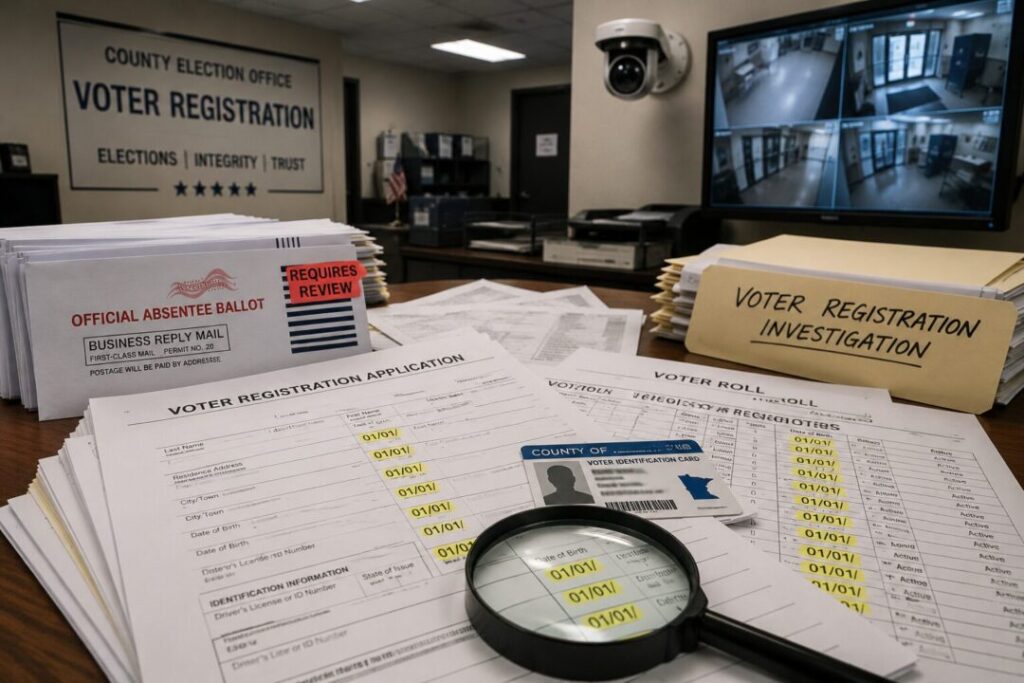
Names that didn't appear to be real. Multiple registrations using the exact same birthday, January 1. Questions about whether some identification documents matched the people using them.Fake Names, False Identity, No Fraud Charges? Minnesota Election Questions Won't Die
Now, maybe there's a perfectly innocent explanation for all of it.
Maybe there isn't.
But that's the problem. A lot of people feel like they never got a clear answer.
Then came the surveillance video.
According to reports, Rage was confronted about ballot-related activity and gave officers a false name. Later, authorities reportedly connected him to the incident after a credit card with his actual name was found.
He was eventually charged with giving false information to a police officer, but not election fraud.
The husband of a Somali-born Minnesota Councilmember was reportedly caught at the center of potential illegal election activity involving hundreds of Somali voters.
Fake names, repeat birthdays, mismatched photo IDs.
Nothing to see here… pic.twitter.com/CfphQtVWBM
— Libs of TikTok (@libsoftiktok) May 28, 2026
Wait…What?
Reports say Rage acted as a Somali-language translator for at least 100 voters. There's nothing wrong with that by itself.
People who don't speak English fluently have every right to get help understanding the voting process. That's been part of election law for years.
But you don't need to be an election expert to understand why people are asking questions.
According to reports, investigators found registrations with suspicious names, repeated birthdays, and identification issues.
Then you have a man connected to hundreds of voters giving police a false name.
Most people hear that list and come to the same conclusion:
“Somebody should probably look into that.”
Why This Keeps Coming Back
Forget politics for a minute.
If someone told you a bank found dozens of suspicious accounts using questionable information, you'd probably expect a thorough investigation.
Most people feel the same way about elections.
Trust doesn't come from officials saying, “Trust us.” Trust comes from transparency.
Reports describe questionable voter registrations. They describe repeated birthdays. They describe identification concerns. They describe a man connected to hundreds of voters giving police a false name when questioned.
Yet no election fraud charges were ever filed.
Maybe investigators concluded there wasn't enough evidence.
Maybe there were innocent explanations for what they found.
But officials have never fully satisfied critics who believe the circumstances deserved a much deeper look.
The Real Issue
Election officials often remind us that public trust in elections is important. It is.
But trust isn't built by dismissing concerns. It's built by addressing them.
When voters see a trail of questions that never seem to get fully answered, they tend to keep asking.
Maybe there are perfectly reasonable explanations for everything that happened here.
If so, great.
Then put the facts on the table and let the public see them.
The opinions expressed by contributors are their own and do not necessarily represent the views of Nevada News & Views. Digital technology was used in the research, writing, and production of this article. Please verify information and consult additional sources as needed.