This story has everything conservatives worry about in government: insider deals, missing paperwork, and a politician who conveniently helped his old boss get rich.
Much of what follows was first reported by Las Vegas Review-Journal columnist Victor Joecks.
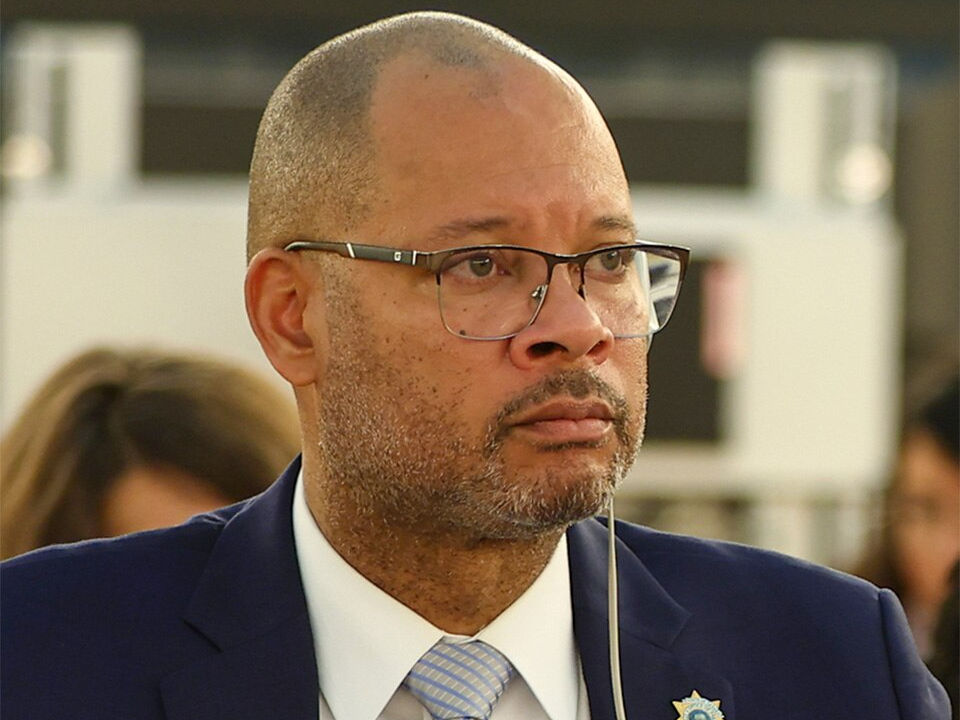
Attorney General Aaron Ford is now running for governor. Before November, voters should know how he handled Nevada’s opioid lawsuits — and who ended up with a chunk of the money.
How It All Started
Back in 2015, Aaron Ford was a state senator. He also owed the IRS more than $185,000 in unpaid taxes, interest, and penalties.
That same year, a Las Vegas law firm called Eglet Prince hired Ford as a partner. Not long after, his tax debt got paid off.
Republican lawmakers passed a new law that same year capping how much money the state could pay outside law firms hired for lawsuits, at $10 million.
Remember that number.
The Cap Disappears
By 2017, Ford was majority leader of the state Senate. On the last day of that year’s session, he helped push through an amendment to eliminate the $10 million cap.
When the contract finally surfaced, Joecks wrote that:
“‘sweetheart’ deal didn’t begin to describe it.”
*hired my former employer to take on the opioid industry
There I fixed it for you.
I understand why the @JoeLombardoNV campaign is focused on Ford’s travel — easy to explain, obviously objectionable to voters.
But the whole story of @AaronDFordNV and the opioid litigation,… https://t.co/5v98sc4XD9
— Victor Joecks (@VictorJoecks) July 7, 2026
Ford Becomes Attorney General
In 2018, Ford won the election as attorney general. His office hired his old firm, Eglet Prince, to handle Nevada’s opioid lawsuits, even though Ford said he’d recuse himself from the selection.
Joecks summed up how it looked to the public plainly:
“To the public, it looks like insider trading.”
A Billion-Dollar Payday
Nevada’s opioid lawsuits eventually pulled in more than $1.1 billion.
Ford’s former firm, which had already paid him as much as $1 million while he worked there from 2015 to 2018, stood to collect a massive slice — potentially up to $350 million under the terms of the deal Ford’s changes made possible.
Joecks didn’t mince words about what that kind of Nevada-to-D.C. behavior looks like, writing:
“Swampy behavior isn’t limited to Washington, D.C.”
Where’s The Paperwork?
Here’s the part that should really bother conservatives who believe in open, accountable government. In July 2023, Joecks requested records showing every opioid settlement and exactly how the money would be spent.
Those records still hadn’t shown up a year later.
The Other Side
Some Ford supporters have pointed out that Nevada recovered more settlement money per person than most other states, and that the previous attorney general, Adam Laxalt, had sued only one opioid company.
But it doesn’t answer the basic question conservatives keep asking:
Why did the rules protecting taxpayers change right around the time Ford’s old firm stood to benefit, and why is the spending information still so hard to get?
What Happens Next
Ford is now asking Nevadans to trust him with even more power as governor. Voters deserve real answers before November 2026.
Conservatives who care about limited, transparent government should keep pressing lawmakers and the AG’s office for a full accounting of where opioid settlement dollars went.
Keep asking Ford directly, on the campaign trail, why his old firm did so well under rules he helped change.
The opinions expressed by contributors are their own and do not necessarily represent the views of Nevada News & Views. This article was written with the assistance of AI. Please verify information and consult additional sources as needed.