Ever yell at the TV when a politician makes a bad call?
You’re not alone. But here’s the hard truth. Yelling doesn’t change votes. Smart action does.
In a representative government, you’re not going to agree with your elected officials all the time. That’s not a flaw. That’s the system working.
The real question is what you do next.
Too many people fire off angry emails or vent on social media. It feels good. But it rarely works.
If you actually want to influence policy, you’ve got to play it smarter.
Know What You’re Talking About
First, do your homework.
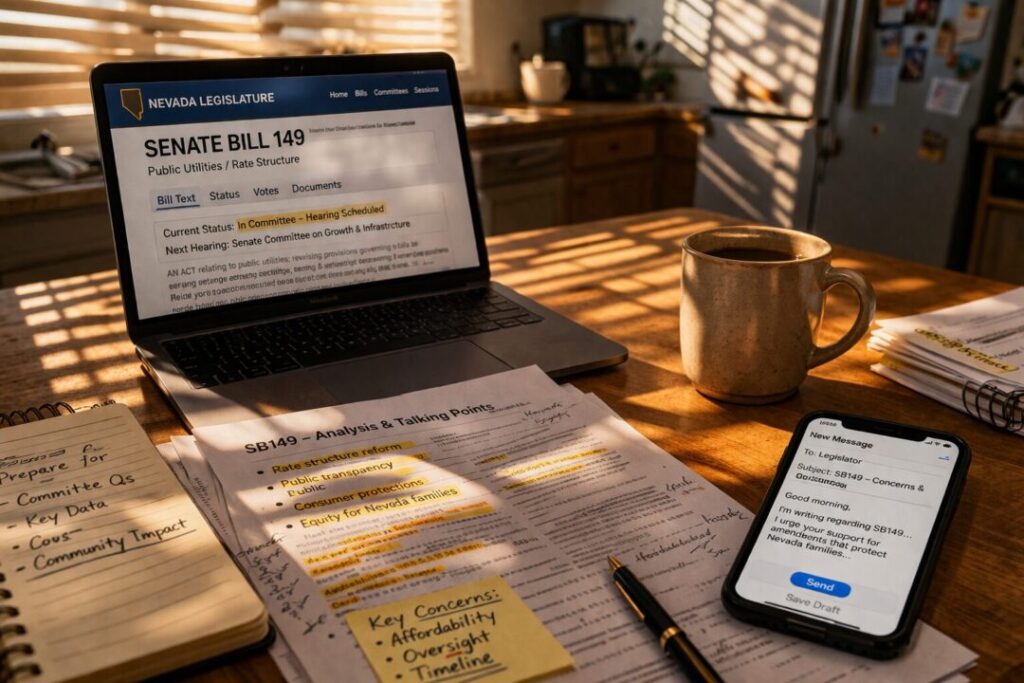
That means reading the actual bill. Not just a headline. Not a meme. Not a viral post on X.
In Nevada, you can look up legislation through the state’s official legislative website. You’ll find bill numbers, sponsors, and the full text.
When you contact a lawmaker and clearly understand the issue, you stand out. Most people don’t do this. Legislators notice the difference.
And it matters.
Talk Like a Neighbor, Not an Enemy
Second, how you say something matters just as much as what you say.
A short, respectful message works best. Something like, “I appreciate your work, but I’m concerned about how this bill affects small businesses in our district.”
That kind of message opens a door.
Compare that to insults or threats. Those usually slam the door shut.
Even critics admit this. Political science research has long shown that personal, thoughtful communication has more impact than mass messages or online outrage.
One Voice Is Good. A Group Is Better
Here’s where things get powerful.
When multiple people from the same district speak up, it gets attention fast. Lawmakers aren’t just hearing noise. They’re hearing voters.
But there’s a catch.
Form letters and copy-paste emails don’t carry much weight. In fact, many offices can spot them instantly.
Worse, those mass campaigns often collect your data for fundraising. That’s not activism. That’s marketing.
Real stories matter more. If ten people share ten different personal experiences about the same issue, that sticks.
Show Up When It Counts
This is where most people fall short. They complain online but don’t show up.
Public hearings, town halls, and local events are where decisions get shaped.
In Nevada, you can testify in person or even online during legislative sessions.
Face-to-face engagement leaves an impression that emails never will.
It shows commitment. It shows you’re serious.
And yes, lawmakers remember who shows up.
Keep It About the Issue
It’s easy to make things personal. Don’t.
Legislators are juggling a lot. Many states pay lawmakers modest salaries and give them limited staff support.
Nevada’s citizen legislature also operates every other year, which means lawmakers balance public service with real jobs.
That doesn’t excuse bad decisions. But it does explain why respectful, fact-based arguments go further than personal attacks.
If your goal is to change a vote, focus on facts, shared values, and real-world impact.
Don’t Quit If You Don’t Hear Back
Here’s something most people don’t realize.
Lawmakers get flooded with messages. Hundreds a day in some cases.
If you don’t get a reply, it doesn’t mean you’re being ignored. Try again. Use a different method. Call. Attend an event. Show up at a town hall.
Persistence matters.
Critics on the left often argue that the system is broken or rigged. And yes, government can be messy. But here’s the truth.
In a republic, the system only works if citizens stay engaged. Not just on Election Day. Every day.
That means being informed. Being respectful. And being persistent.
Because real change doesn’t come from shouting. It comes from showing up, speaking clearly, and refusing to quit.
The opinions expressed by contributors are their own and do not necessarily represent the views of Nevada News & Views. Digital technology was used in the research, writing, and production of this article. Please verify information and consult additional sources as needed.